


Institutional management.
Residential understanding.
Held brings institutional discipline to residential operations — with the operational depth required to manage complex residential assets properly over time.
Different asset class. Different requirements.
Build-to-rent assets require more than standard facilities management. Reporting, compliance, governance and resident operations all need to work together.
Residential buildings also change once occupied. Communication becomes immediate, onsite presence matters more, and operational visibility needs to be consistent.
Held combines institutional reporting standards with onsite residential management that stays with the asset over time.
KPIs, SLAs and building performance structured for asset-level visibility.
Auditable operational activity aligned with existing governance frameworks.
Building-level environmental data across energy, water and waste.
Structured tracking aligned with builder obligations and DLP requirements.
Residential operations beyond the apartment.
Amenity management
Shared spaces, resident facilities and common areas are managed as active parts of the residential operation. Day-to-day presentation, functionality and coordination are maintained consistently across the building experience.
Continuity of experience
Operational consistency is maintained through proactive communication, embedded building teams and long-term familiarity with the asset. Resident experience is supported through responsive management and ongoing onsite continuity.
Documented decision-making authority, escalation protocols and conflict of interest policy maintained across all managed assets.
Quality controls supporting operational consistency across maintenance, defects and contractor management.
Building-level data collection for energy, water, and waste. GRESB-aligned reporting supported across institutional assets.
Voluntary Modern Slavery Statement in place. Contractor onboarding includes supply chain risk assessment against modern slavery criteria.
Contractor onboarding includes licence verification, insurance compliance, procurement controls and no-kickback disclosure requirements.
Documented WHS policy and site procedures maintained across all managed assets.
Defined process for identification, classification, tracking, and verified closure. Full audit trail maintained throughout the DLP period.
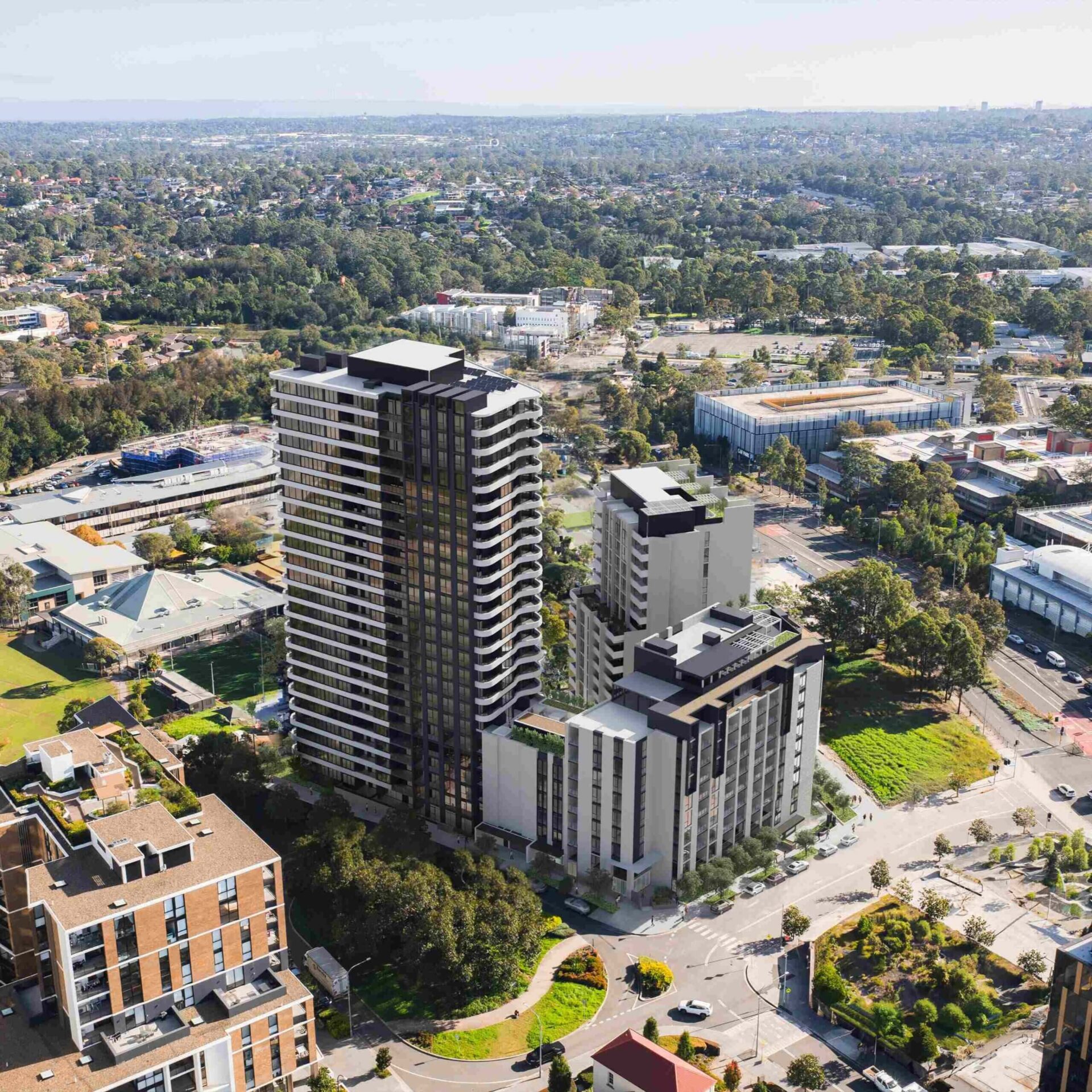
Connect Westmead
Appointed during the defect liability period on an institutionally owned BTR asset. At the point of appointment, stakeholder misalignment between the asset owner, operator, and builder had created a backlog with no agreed process for resolution.
Within one week, a shared operational framework had been established across all stakeholders, including defect prioritisation, builder coordination and reporting protocols.
Approximately 4,000 defects were identified and logged across common and lot property. Around 97% were closed within four months, including a shutdown period. Resident communication was managed throughout — issues were tracked and residents updated, not left to follow up.
Held were the key to delivering our requirements with confidence and experience. Within a week of their engagement, we had alignment across all stakeholders and a clear operational framework in place. Their defect management process was systematic, issues were identified, logged, and resolved at a pace we hadn't seen before.